Growing Neuroinclusive Futures Together
Neurodiversity-focused consultancy, training and mentoring informed by lived experience.
Working with people and organisations to develop neuroinclusive practice, services and environments where neurodivergent people can flourish.
Over 14 years experience working with communities and organisations. Qualifications include:
MA Autism | Postgraduate Sensory Integration & Neuroscience | BSc: EDI, Psychology & Management

The human race is neurodiverse but ...
some people are neurodivergent
Neurodiversity recognises that all our brains work differently and that there is no single ‘right’ way to think, learn, communicate, move, process information or experience the world.
1 in 5
people are estimated to be neurodivergent.
Many neurodivergent people may be undiagnosed or not realise they are neurodivergent.
Recognising neurodiversity does not mean overlooking disability or the significant challenges and barriers that neurodivergent people can experience. Access, participation and inclusion are things many people rarely need to think about, but for many neurodivergent people they are part of everyday life.
You’ll hear me talk about being neurodiversity affirming throughout this website, but what does that actually mean?
Being neurodiversity affirming is about respecting neurodivergent people as they are, recognising their experiences as an important form of knowledge and supporting them with the things they find difficult without making being more “normal” the goal.
This means listening to neurodivergent voices, respecting individual needs and autonomy, and being willing to question what we think we know. It means continuing to learn, and sometimes unlearning ideas and assumptions we have previously accepted as fact. It also means recognising and valuing different perspectives and ways of being.
Most people and organisations want to be inclusive, but it can be difficult to understand what inclusion looks and feels like from a perspective and experience different from your own. Research suggests there can be a gap between the intention to include and people’s experiences of inclusion and accessibility. It can also be difficult to know what information to trust and how to put good intentions into practice.
Creating more neuroinclusive environments can have benefits for everyone, not just neurodivergent people.
The environments around us can include or exclude, and they are about much more than physical spaces. They include how we communicate and interact, our expectations, attitudes and relationships, as well as systems, processes and ways of working. Greater knowledge and understanding can help create environments where more neurodivergent people can access, participate and feel included.
Dr Luke Beardon, who taught me during my MA in Autism, captures the importance of environment in what he calls his golden equation:
Autism + Environment = Outcome
As Luke's work highlights, if we want things to change, we need to look at the environments around people rather than trying to change who they are.
Hi, I’m Sarah Alexander
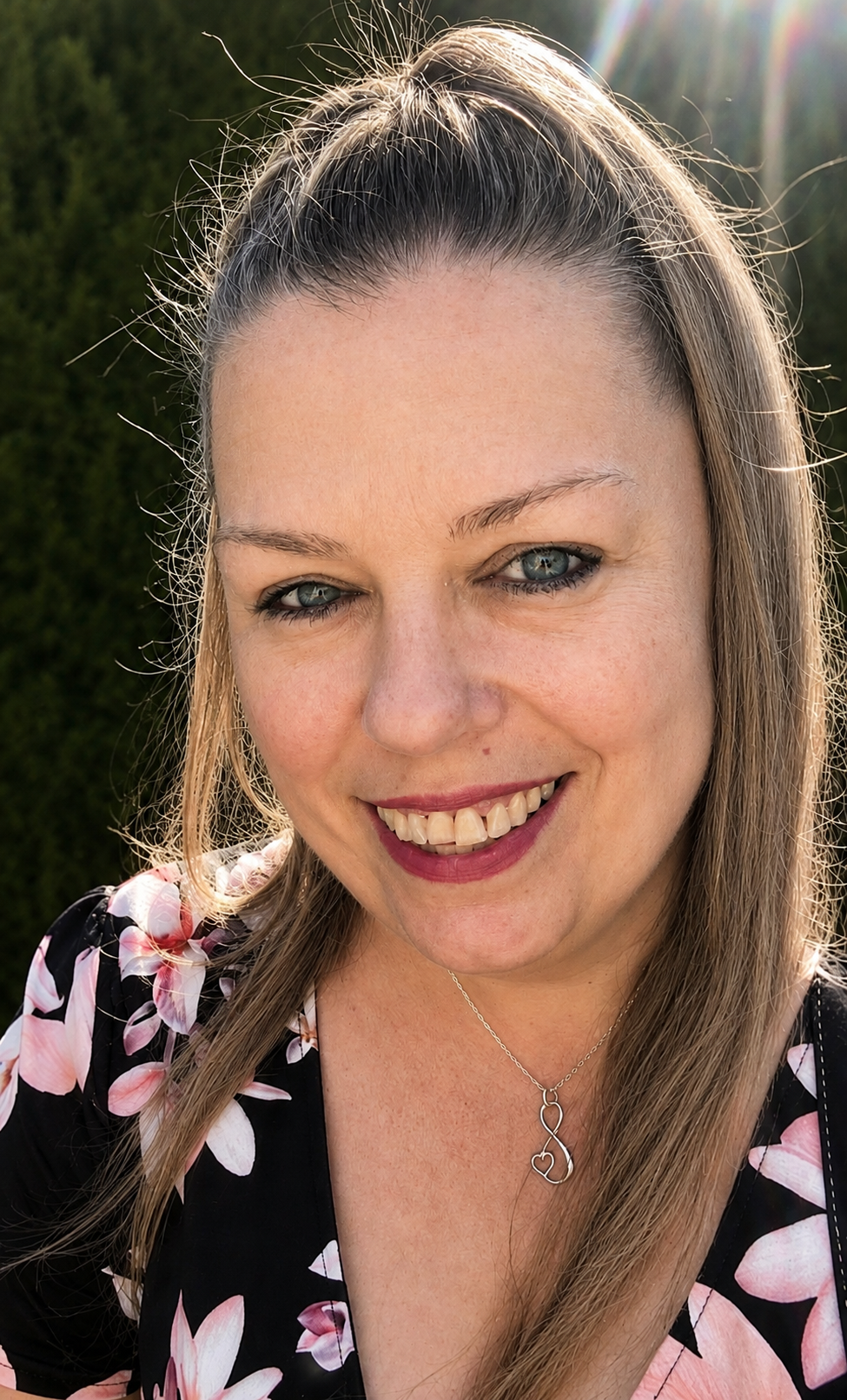
I’m a neurodivergent consultant, trainer and mentor. I’ve spent more than 16 years developing my knowledge and understanding of autism and neurodiversity, including over 14 years working with people, families and communities whose voices and needs are often overlooked and not included.
My knowledge has been shaped by lived and professional experience, academic study, specialist training and learning from people and communities. Being able to draw on this knowledge and experience brings a deeper understanding to my work and approach.
I hold a Master's degree in Autism and I’m naturally curious, so I tend to ask lots of questions. You’ll also hear me talk about context a lot. It’s incredibly important, but so often overlooked when trying to understand people and situations.
Although it will always be me that you work with, I also work alongside a small network of trusted neurodivergent associates who can bring additional capacity and perspectives.

"Sarah provides outstanding autism, ADHD, and SEND training. Sarah’s unique strength lies in her dual perspective—she couples high-level professional consultancy with her own lived experience as a neurodivergent adult and parent. Having personally benefited from Sarah's immense support while navigating the SEND system, I can attest to her warmth, dedication, and wealth of knowledge. She doesn't just teach inclusion; she lives it. An absolute five star service."
Jessie
Neurodivergent parent
How We Can Work Together
You might have a particular piece of work in mind, want to develop knowledge and understanding, explore a challenge or idea, or simply want to talk something through.
Whatever brings you here, we can start with what you want to achieve and explore together what might be useful.
Consultancy
Working with organisations, services and community groups who want support to develop their work, address challenges or create change.
Training
Neurodiversity affirming training tailored to your organisation and what you want to achieve.
Mentoring
Individual mentoring for neurodivergent adults, family members and parents and carers of neurodivergent children.
No diagnosis required.
Let's Talk!
If you’re interested in working with me, tell me a little about what you’re looking for. You don’t need to know exactly what you need, we can explore that together.